
Interviews
Malik Adeel Rafi – Pakistan’s real estate tycoon, philanthropist, a mentor


KARACHI: There are only few people in the world who achieves what they wished for only because of his/her hard-work and struggle.
Malik Adeel Rafi is one of them who reaches the extreme of success through his untiring efforts, hard-work, honesty and sincerity and become tycoon of Pakistan’s real estate industry.
Malik Adeel Rafi son of Mohammad Rafi opened his eyes in the well-to-do family of Azad Kashmir on December 27, 1981. His father was a mechanical engineer who unfortunately lost his life in Adeel’s childhood.
After sad demise of his father, Malik Adeel Rafi and his two brothers Sajeel Malik and Shumail Malik were grown-up and taken care of by their grand father who owned well-established transport business.

Mr Adeel Rafi received his early education from Cantt Public School, Jhelum and completed his matriculation in 1997. He was an outstanding student with decent and graceful personality and secured good grades.
He passed his intermediate from Kotli Degree College, Azad Kashmir in 1999 with flying colours. He also did his Bachelors of Arts (BA) in Economics also from Kotli Degree College, Azad Kashmir in 2001.
While always trying to do something different at his own, Malik Adeel Rafi, after completing his graduation, started a small business of ‘Branded Clothing’ in Azad Kashmir in 2001. After successfully running his clothing business for some six years, Mr Adeel Rafi handed over his business of clothing to his brother in 2007.
In 2008, Malik Adeel Rafi started another business of import of vehicles and sale purchase of property which motivated him a lot.

In 2011, Malik Adeel Rafi started his full-time business of real estate under umbrella of – AD Real Estate and Builders – in Bahria Town Rawalpindi/Islamabad. With his honesty and fair dealing, he made a distinctive repute in real estate industry in the federal capital in very short period of time.
After the launch of Bahria Town in Karachi in 2013, Malik Adeel moved to the port city and established his business there. Within a short span of time, Malik Adeel won hearts of his clients that motivated him to establish his offices – AD Real Estate and Builders – in Bahria Town’s Midway Commercial B area.
“Whatever I am today is only because of love and support of Shahid Qureshi Bhai, Country Head of Bahria Town. The true guidance and leadership of Chairman Bahria Town Malik Riaz and CEO Ali Riaz Malik have largely helped me to provide best services to the valued customers of Bahria Town Karachi”, Mr Malik Adeel Rafi said this while talking to Sindhnews.

“I am proud of being part of the Bahria Town family which aims at ensuring the best quality of life to people of Pakistan. Bahria Town Karachi is making unique space in minds and hearts of people just because of untiring efforts of honourable Malik Riaz, Ali Riaz Malik and Shahid Qureshi”, Mr Malik Adeel says.
“Bahria Town has provided a platform to every common man who is interested in the real estate sector. Chairman Bahria Town Malik Riaz Hussain has certainly been proven to be a great visionary man through all the steps he has taken and the projects launched in the real estate sector”, he says.
“The business of real estate is contributing huge revenue to the national exchequer and it has become the fastest growing economy. The vision of Chairman Bahria Town Malik Riaz, Chief Executive Officer Ali Riaz and Country Head Shahid Qureshi to ensure provision of affordable luxurious life to Pakistanis must be commended”, he says.
“Bahria Town is the only reason which brings back billions of rupees investment of overseas Pakistanis into the country which is playing a major role in country’s economy. The untiring efforts of the Bahria Town management have resulted in development of such a huge gated society within a short span of time”, he adds.

“Shahid Qureshi is my mentor and true leader who has all capabilities to lead our new generation who wish to make one’s career in the real estate industry. The real estate is the backbone of our country’s economy and we have always demanded for bringing reforms in this most important sector to further boost it.”
Presently, Malik Adeel Rafi’s AD Real Estate and Builders has successfully handed over possession of AD Tower to its clients before time while several other multi story residential projects are underway that included – AD Heights at Theme Park Commercial – AD Residency at Liberty Commercial – AD-LIS Square 95 at Grand Jamia Mosque – AD-LIS Villas – etc.





KARACHI: February 3, 2025, marks the 32nd birthday of Aseefa Bhutto Zardari, the youngest daughter of former Prime Minister Benazir Bhutto and former President Asif Ali Zardari.
Born in London on February 3, 1993, Aseefa has grown into a powerful force in Pakistani politics, defying conventions and inspiring countless young women. As a child, Aseefa was already making headlines. She was the first child in Pakistan to be vaccinated against polio in 1994, thanks to her mother’s immunization drive. This early exposure to the world of politics and social activism laid the foundation for her future endeavors.
Aseefa’s entry into politics was met with excitement and skepticism. Many wondered if she would follow in her family’s footsteps or carve her own path. As it turns out, she has done both. With her father’s guidance, Aseefa has become a formidable force in the Pakistan People’s Party (PPP), representing Nawabshah as an MNA; What’s remarkable about Aseefa’s journey is her courage and determination in the face of adversity.
She has proven that women can thrive in male-dominated spaces, and her success is a testament to the power of democracy. As Aseefa herself has shown, women are not just participants in the democratic process but also leaders who can shape the future of their country. As Aseefa celebrates another year of life, we honor her achievements and commitment to public service. Her story serves as a reminder that politics is not just a man’s domain and that women can be agents of change. Here’s to many more years of trailblazing politics and inspiring generations to come
Aseefa Bhutto Zardari: A Timeline of Achievements
– 1994: Becomes the first child in Pakistan to be vaccinated against polio
– 2017: Starts her political career, participating in the 2018 election²
– 2020: Begins actively participating in politics, attending rallies and events
– 2024: Becomes the First Lady of Pakistan, a historic first for the country – 2024: Elected unopposed as MNA from Nawabshah, a male-dominated constituency
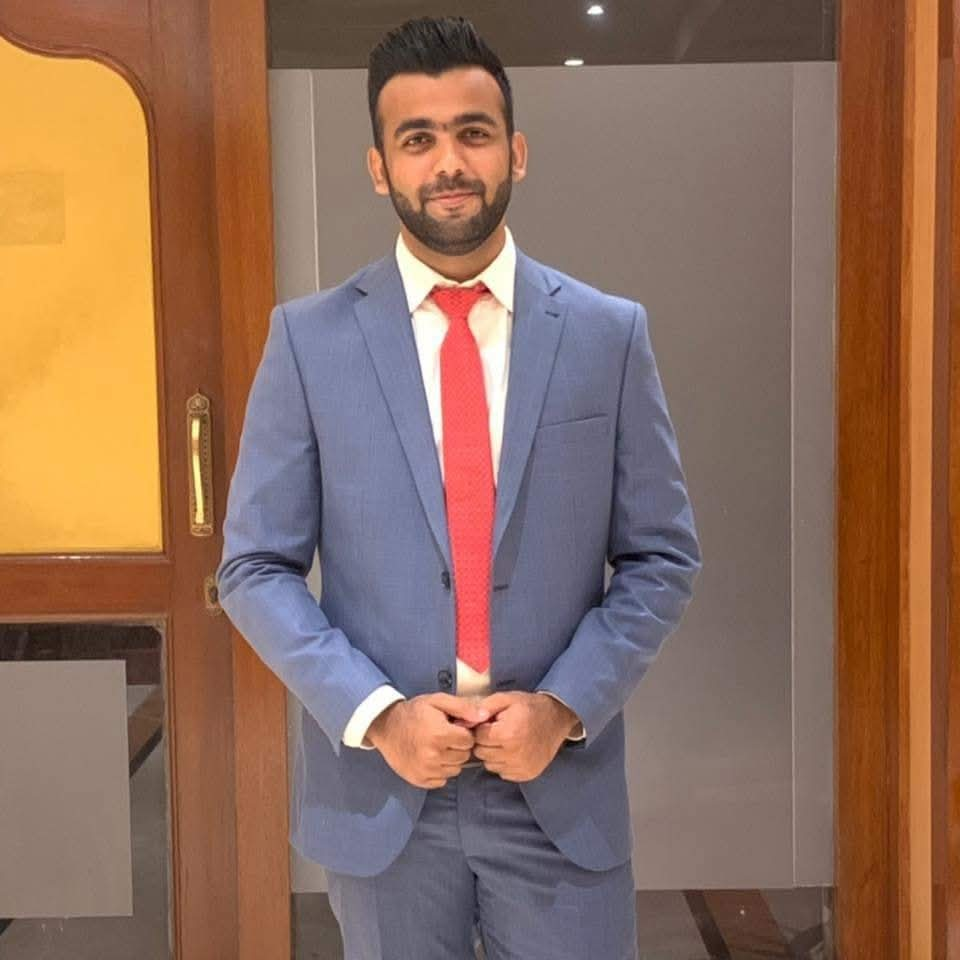
KARACHI: Opening his eyes in the well-educated and prominent family Hyderabad district, Asad Nadeem son of Nadeem Ur Rehman Memon was born on April 14, 1998, in Hyderabad. His father is a senior civil servant who is currently working as Secretary Information, Government of Sindh.
Mr Asad Nadeem has three siblings and all of them are highly-qualified and most talented.
Asad received his early education from The City School, and later, he got admission in the Cadet College Sanghar that brilliantly shaped his academic foundation.
He passed his matriculation in 2013 from the Mirpurkhas Board, securing an A grade. He cleared his intermediate education from Cadet College Sanghar in 2015, also under the Mirpurkhas Board yet again with flying colours.
Asad Nadeem’s higher education journey has been very rewarding. He earned his bachelor’s degrees from Hamdard University and Shaheed Zulfiqar Ali Bhutto University of Law. He then pursued a Master’s in Criminal Law from Virginia State University, where he was a distinction holder in every semester and made it to the Dean’s List.
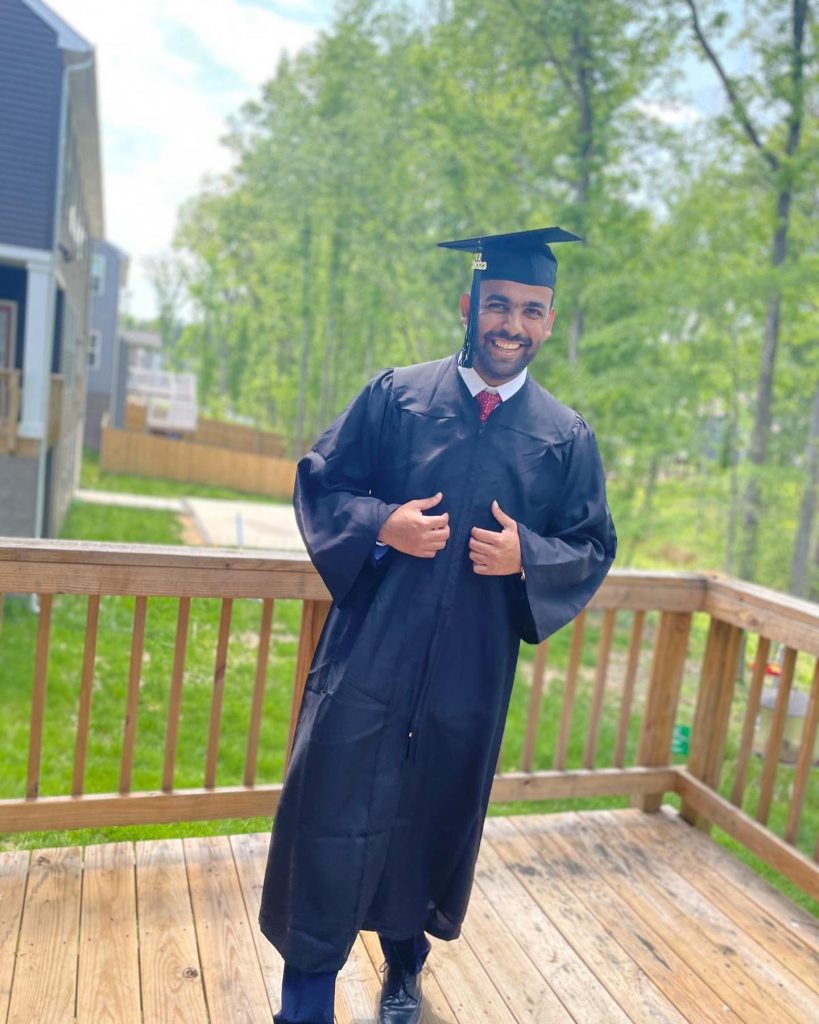
To further his expertise, he completed a diploma in Paralegal Studies from Bryant and Stratton College, Richmond, Virginia, where he was also a distinction holder. Later, he earned an LLM in Bar Practice from the University of Sunderland in the UK.
Sports were always an important part of his life as he played as a US State domestic cricket player, which helped him build discipline and teamwork skills.
One of the biggest challenges he faced was being diagnosed with cancer. For six months, no doctor could diagnose his disease, which was a very difficult time for him. However, with faith and determination, he fought through it and emerged stronger. That experience taught him resilience and gave him a new perspective on life.
Mr Asad has worked with several prominent legal professionals, including Haq Nawaz Talpur and Madam Samia Durrani. He also served as a Legal Executive at Junaid Jamshed Pvt Limited and completed an internship at the Sheriff’s Office, Hanover County, which gave him practical insights into law enforcement and legal operations.”

His journey in the legal field has been both challenging and fulfilling. Over the years, he has worked on various high-profile cases, including ATC matters such as the Molana Aurangzaib Farooque case and Rao Anwar cases. Currently, he is handling significant government land cases related to labor colonies.
One of his most notable achievements was in the MDCAT case, where he successfully secured bail for Dow University’s Controller, Assistant Controller, and Deputy. These experiences have taught him the importance of justice and professionalism.
Currently, he has his own law firm and work as a Legal Advisor and Panelist Lawyer for the Workers Welfare Board Sindh. Additionally, he serves as a Legal Advisor for the Agriculture Department, focusing on their Market Committee. These roles allow him to contribute to public service while maintaining my independence as a lawyer.

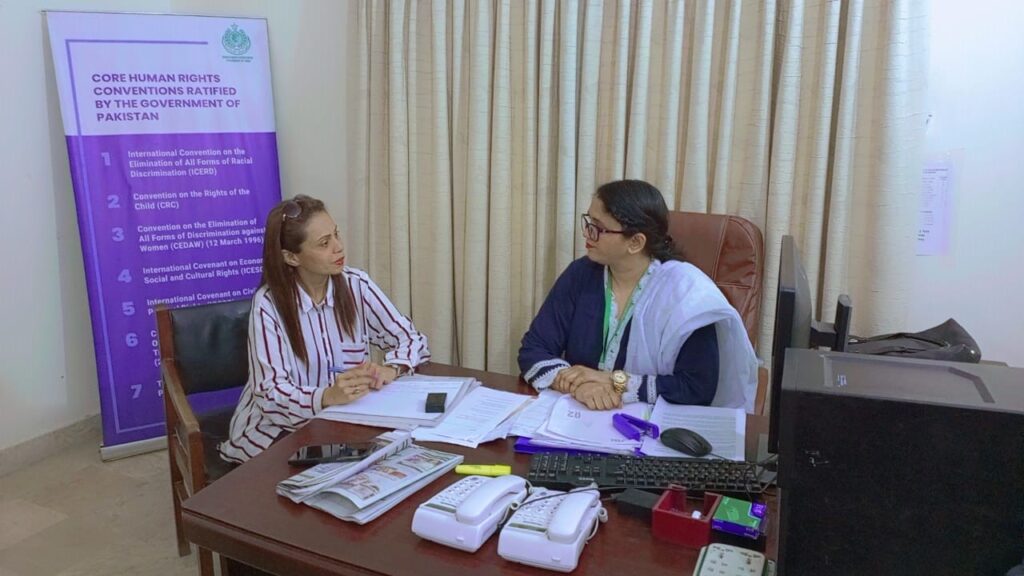
KARACHI: The human rights authorities at government should focus on to strengthen partnership with local and international organisations, share resources and expertise, implement robust data collection and monitoring system to respond effectively.
These views were shared by Nazia Naz who works with the Human Rights Department of the Sindh Government while talking to Naushaba Siddiqui who interviewed her after his return from Europe.
Q – Can you tell us about yourself, Nazia?
I am Nazia, and I work as a researcher at the Human Rights Department in the Government of Sindh. My role involves conducting research on human rights issues, compiling reports, and providing recommendations to improve human rights practices in the region. I am passionate about advocating for justice and equality, and my work allows me to make a meaningful impact on society.
Q – How was your trip to Europe? What did you learn, and could you share your experiences with us?
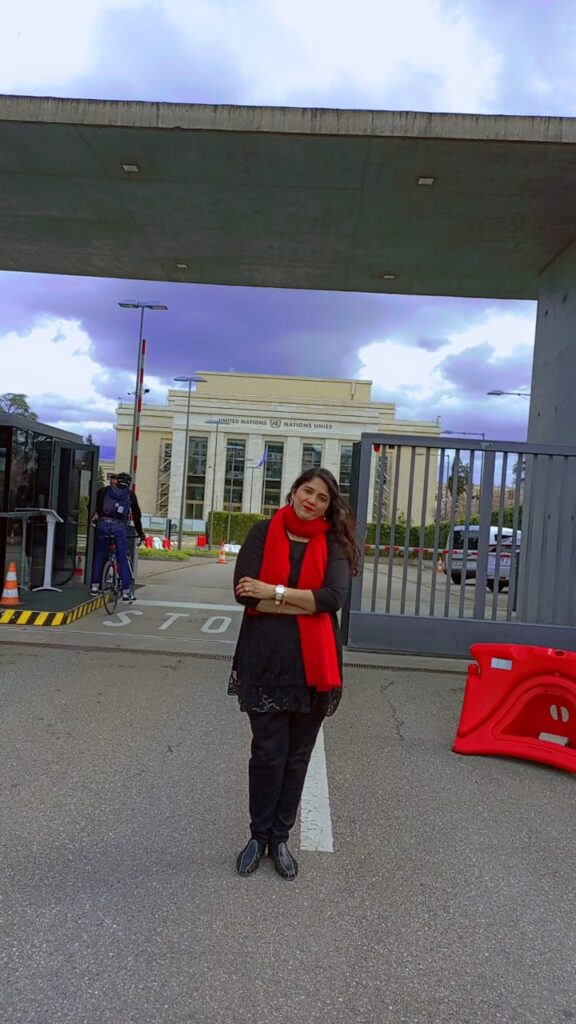
My trip to Europe was incredible. I had the opportunity to visit the European Parliament, the United Nations Office in Geneva, and several other international institutions. It was enlightening to learn about their operations and policies, especially concerning human rights. I gained a broader perspective on how different countries approach these issues and came back with new ideas and strategies that I could apply in my work at home.
Q – Could you provide a brief introduction to the Generalized System of Preferences Plus (GSP+)?
The Generalized System of Preferences Plus (GSP+) is a trade program designed to promote sustainable development and good governance in developing countries. It allows eligible countries to export certain products to the European Union (EU) with reduced or zero tariffs. To qualify for GSP+, countries must meet specific criteria, including ratifying and implementing international conventions on human rights, labor rights, environmental protection, and good governance.
Q – What exactly is GSP+? Please explain it to our readers.
GSP+ is a preferential trade arrangement granted by the EU to promote economic growth and sustainable development in developing countries. It provides reduced tariffs or duty-free access to the EU market for specific products. However, this arrangement is conditional on the beneficiary country demonstrating compliance with international standards related to human rights, labor laws, environmental protection, and governance. This way, GSP+ serves as an incentive for countries to improve their practices in these critical areas.
Q – How is Pakistan connected to GSP+?
Pakistan is a beneficiary of the GSP+ program, which has significantly contributed to the country’s economic growth by providing preferential access to the EU market. This status has encouraged Pakistan to adopt and implement international conventions on human rights, labor rights, environmental protection, and good governance. By meeting these criteria, Pakistan has been able to maintain its GSP+ status and continue to benefit from the economic advantages it offers.

Q – What are the economic benefits of GSP+?
The economic benefits of GSP+ for Pakistan include increased exports to the EU, leading to greater economic growth and job creation. With reduced or zero tariffs, Pakistani products can compete more effectively in the EU market, boosting various industries, such as textiles, agriculture, and manufacturing. This preferential trade status has also attracted foreign investment and contributed to diversifying Pakistan’s economy.
Q – What steps do you suggest for the Human Rights Department to take to improve its work?
To improve its work, the Human Rights Department could focus on a few key areas. First, it should strengthen partnerships with local and international human rights organizations to share resources and expertise. Second, it should implement robust data collection and monitoring systems to better understand human rights violations and respond effectively. Third, the department should increase public awareness campaigns to educate citizens about their rights and encourage them to report violations. Finally, ongoing training for staff on international human rights standards would ensure that they remain updated with best practices.

Q – What do you think Pakistan can do to maintain its GSP+ status in the future?
To maintain its GSP+ status, Pakistan should continue to demonstrate a strong commitment to international convention.
While concluding the interview, Nazia Naz says “I see the need for substantial improvements to achieve meaningful progress. Qualified professionals should be recruited to ensure that we have the right expertise in place. Every policy should have a clear roadmap to guide its implementation. While there has been a considerable amount of legislation, the real challenge lies in ensuring these laws are effectively enforced and monitored.”
“Our population is growing rapidly, which requires government departments to be even more committed to addressing emerging issues. Without strong commitment and effective action plans, achieving progress will be difficult. Therefore, the government must focus on building a competent workforce and translating legislation into tangible outcomes. Only then can we move towards a more prosperous and equitable future.”


Major Dacoity

Saudi opens liquor store in Riyadh

SAMBARA INN

Sharjeel Inam Memon calls on President Asif Ali Zardari

Syed Hasan Askari – An evolution expert, a civil engineer, a lawyer, sportsman, humbled person

Rafia Javed’s journey from a village girl to an educationist, promoter for girls’ education
Sharjeel Inam Memon calls on President Asif Ali Zardari
Syed Hasan Askari – An evolution expert, a civil engineer, a lawyer, sportsman, humbled person